
Helmets and Head Protection
Traces cranial defense, neck articulation, and facial protection from bronze castings to one-piece forged steel masterworks.
Inside this collection

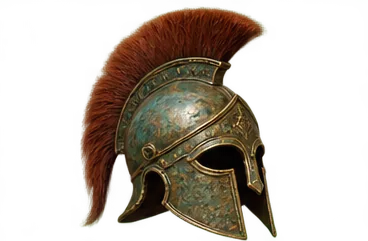
Classical Mediterranean Helmets
Covers Corinthian, Chalcidian, Montefortino, and imperial Roman helmets, focusing on sightlines and cheek defense.

Early Medieval Spangenhelms and Nasals
Examines segmented construction, nasal plates, and aventails across Germanic, Byzantine, and Anglo-Saxon contexts.

European Bascinets, Sallets, and Armets
Traces fourteenth- through sixteenth-century visor systems, pivoting sights, and integrated bevor gorgets.

Japanese Kabuto and Face Armor
Examines riveted plate bowls (hachi), neck guards (shikoro), and expressive iron face masks (mengu).

Indo-Persian Kulah Khud
Details domed steel helmets, nasal bars, plume holders, and mail aventails decorated with chiseling or gold inlay.

Ottoman and Central Asian Chichaks
Explores peaked cavalry helmets with adjustable brow visors, heart-shaped ear flaps, and segmented neck lames.

East Asian Lamellar and Segmented Helmets
Surveys iron plate and lacquered cranial defenses across ancient China, Three Kingdoms Korea, and Mongol armies.

Non-Metallic Helmets and Organic Protections
Examines boar-tusk helmets, ray skin, layered rawhide, and wicker headgear from tribal and oceanic societies.
Legendary objects deserve
a closer reading.
We study materials, makers and surviving evidence. Legends open the question; history guides the answer.
Our approach